I watch this same interview every year and every year I think I should post it so you can enjoy it too. I finally am.
On Writing Well
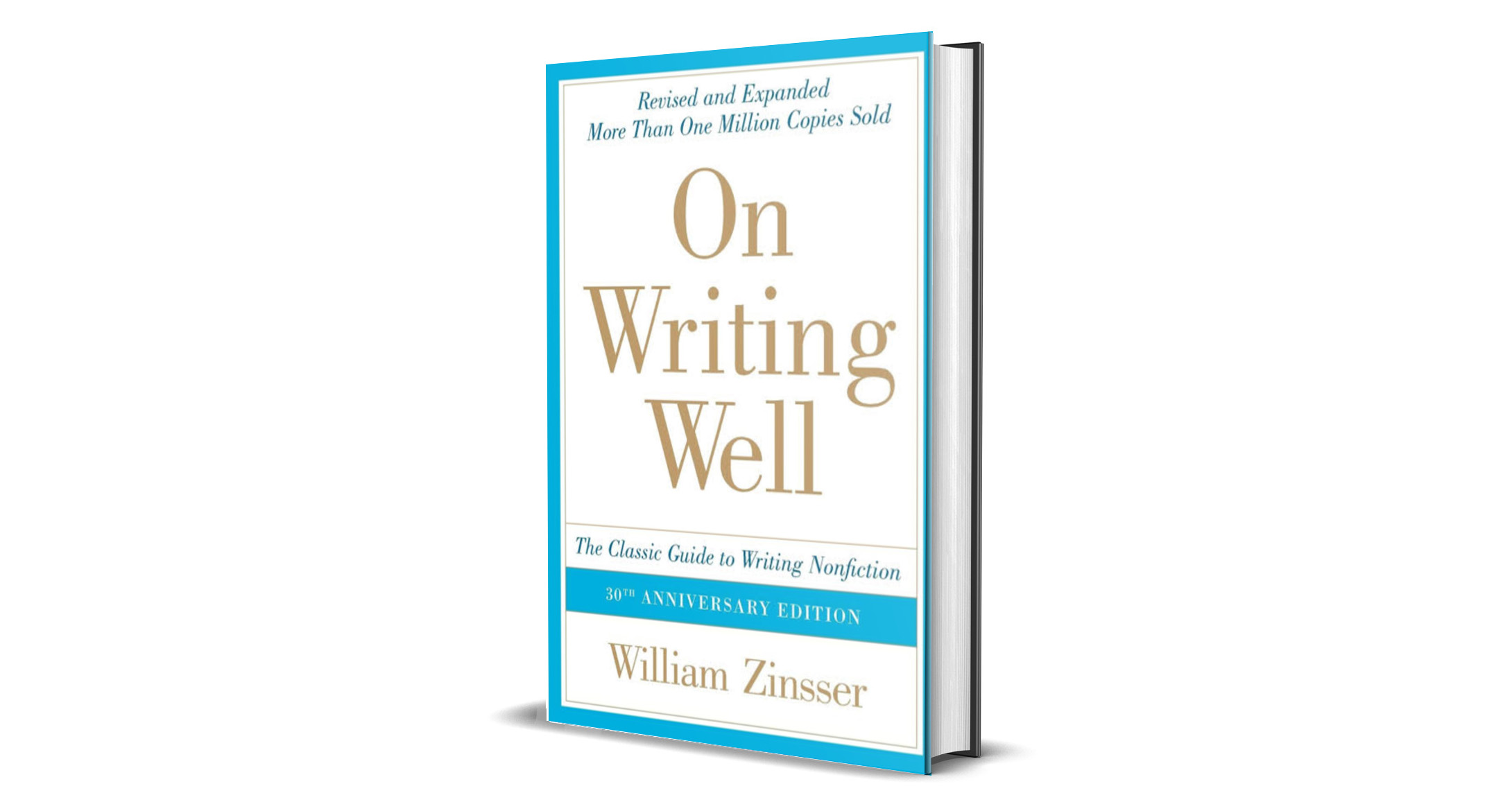
Earlier today I finished reading On Writing Well1, by William Zinsser. In it, Zinsser outlines not only what it takes to write well but also rouses ones love for writing. The book is great, it’s not only fun to read but inspires me to write.
Zinsser died in 2015, and at that time Open Culture honoured him by posting 10 tips from his book which is a worthy summary:
Zinsser stressed simplicity and efficiency, but also style and enthusiasm. Here are 10 of his many tips for improving your writing.
- Don’t make lazy word choices: “You’ll never make your mark as a writer unless you develop a respect for words and a curiosity about their shades of meaning that is almost obsessive. The English language is rich in strong and supple words. Take the time to root around and find the ones you want.”
- On the other hand, avoid jargon and big words: “Clear thinking becomes clear writing; one can’t exist without the other. It’s impossible for a muddy thinker to write good English.”
- Writing is hard work: “A clear sentence is no accident. Very few sentences come out right the first time, or even the third time. Remember this in moments of despair. If you find that writing is hard, it’s because it is hard.”
- Write in the first person: “Writing is an intimate transaction between two people, conducted on paper, and it will go well to the extent that it retains its humanity.”
- And the more you keep in first person and true to yourself, the sooner you will find your style: “Sell yourself, and your subject will exert its own appeal. Believe in your own identity and your own opinions. Writing is an act of ego, and you might as well admit it.
- Don’t ask who your audience is…you are the audience: “You are writing primarily to please yourself, and if you go about it with enjoyment you will also entertain the readers who are worth writing for.”
- Study the masters but also your contemporaries: “Writing is learned by imitation. If anyone asked me how I learned to write, I’d say I learned by reading the men and women who were doing the kind of writing I wanted to do and trying to figure out how they did it.”
- Yes, the thesaurus is your friend: “The Thesaurus is to the writer what a rhyming dictionary is to the songwriter–a reminder of all the choices–and you should use it with gratitude. If, having found the scalawag and the scapegrace, you want to know how they differ, then go to the dictionary.”
- Read everything you write out loud for rhythm and sound: “Good writers of prose must be part poet, always listening to what they write.”
- And don’t ever believe you are going to write anything definitive: “Decide what corner of your subject you’re going to bite off, and be content to cover it well and stop.”
- On Writing Well: The Classic Guide to Writing Nonfiction, first published in 1976, has sold almost 1.5 million copies to three generations of writers, editors, journalists, teachers and students.[↩]
The Follower
Using open source cameras and AI, Dries Depoorter created a website that creates clips of the exact moment instagram photos were taken.
From Dries’ site:
How does this work?
- Recorded a selection of open cameras for weeks.
- Scraped all Instagram photos tagged with the locations of the open cameras.
- Software compares the Instagram with the recorded footage.
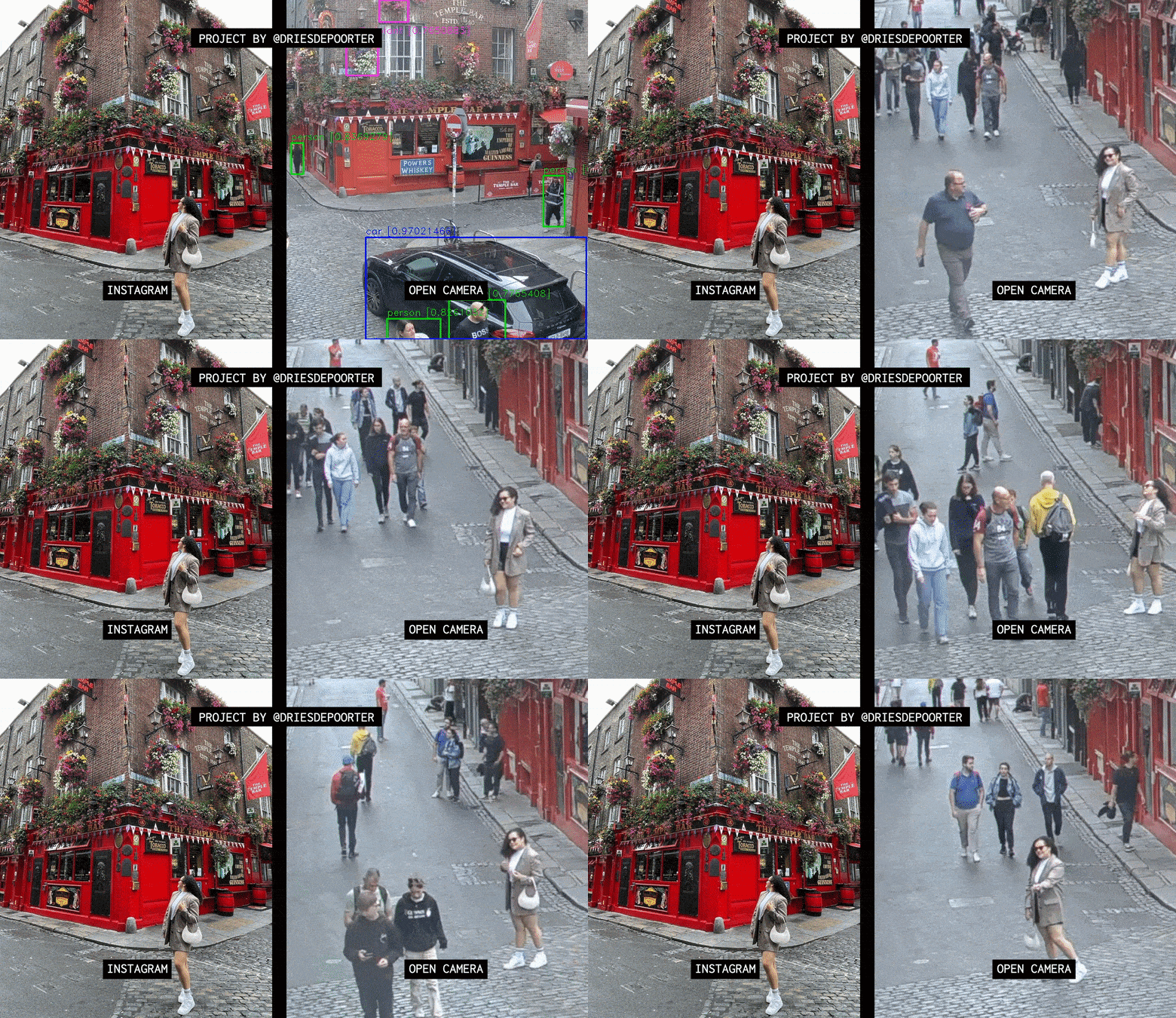
It makes me wonder what the world will be like as AI begins to enable more and more of these types of projects. It’s exciting and terrifying.
(via Six Colors)
Diffusion Bee
I’ve been watching the emergence of AI image creation tools like Midjourney, Dall-E, Craiyon and Stable Diffusion and I think it’s pretty neat. But not everyone has been happy about our new AI overlords. Art communities and freelance artists have been particularly vocal about their displeasure.
As much as I see there are serious philosophical issues, in the meantime I wanted to try it out and have been delighted at the news that users of Apple silicon Macs can now access the Stable Diffusion engine on their own computers using Diffusion Bee.
Divam Gupta:
Diffusion Bee is the easiest way to run Stable Diffusion locally on your M1 Mac. Comes with a one-click installer. No dependencies or technical knowledge needed.
- Runs locally on your computer no data is sent to the cloud (other than request to download the weights and checking for software updates).
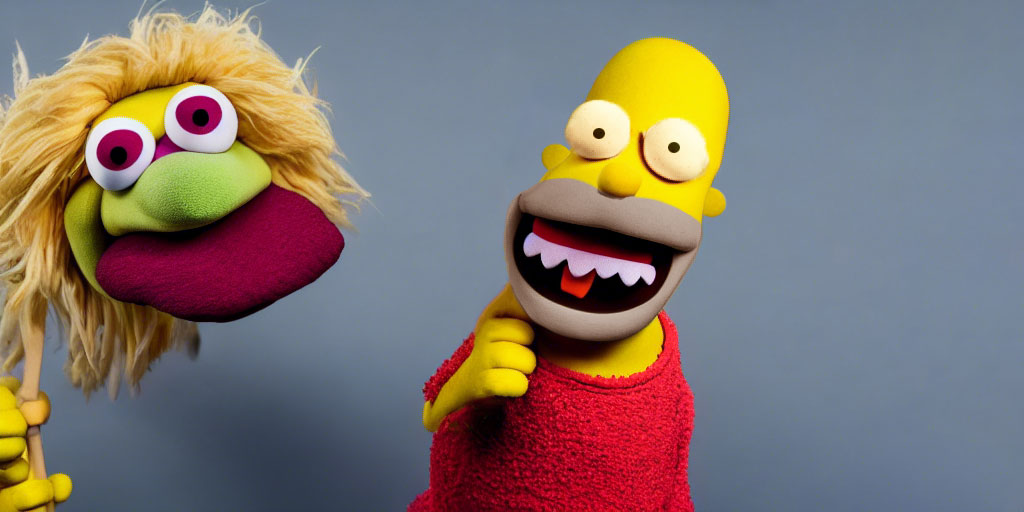
It works just fine on my M2 MacBook Air. I’m glad I splurged and got the 24GB of RAM. Because the results can be a bit random, I popped into Photoshop to improve the results of the above “Homer Simpson as a Muppet” prompt. (I’m not sure what the floating head beside him is all about, but I left it because it’s amazing.)
(via Daring Fireball)
Update: I’ve just discovered CHARL-E, another app that utilizes Stable Diffusion to create images on Apple silicon Macs.
How Stairway to Heaven was Written
Airing on the BBC forty-three years after it was released, Jimmy Page gives a personal account of the process in making Stairway to Heaven.
Drinking a 159 Year Old Bottle of Wine
Consuming this extremely old bottle comes with some risks. Will it be pleasure or poison?
(Via)
Dated New Yorker Cartoons of People Doing Normal Things
I tried showing Ange these and she got hung up on the fact that these couldn’t possibly ever have been funny. I mean, she’s not wrong.
I love finding New Yorker cartoons so dated that the joke is lost entirely and the cartoons become just descriptions of people doing normal things. pic.twitter.com/5fYHmDkRMl
— max saltman (@maxsaltman) February 1, 2022
(Via Waxy)
The World of Colour
I’ve been restoring and colourizing some old black and white family photos in Photoshop lately. Here are some of my favourites:
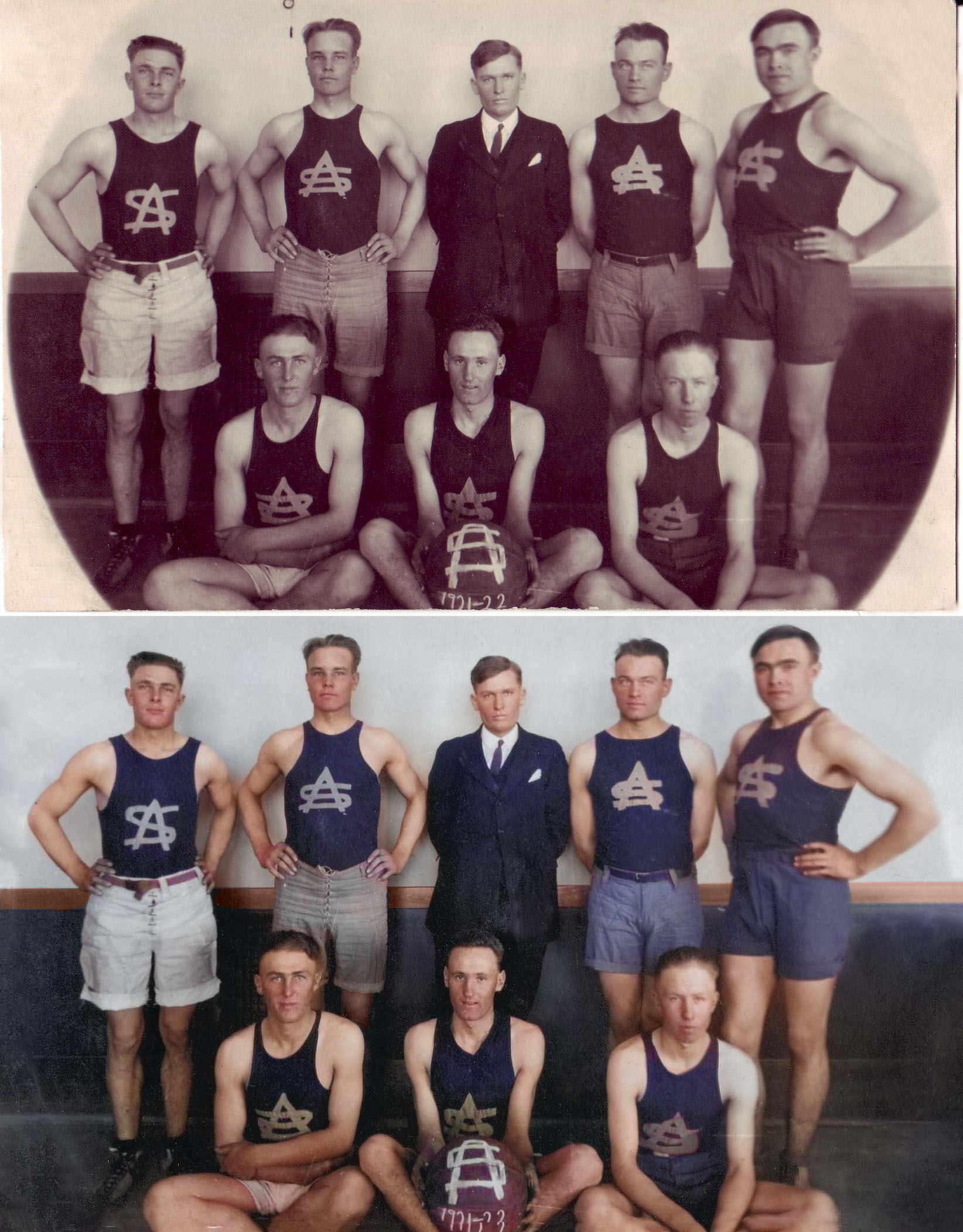
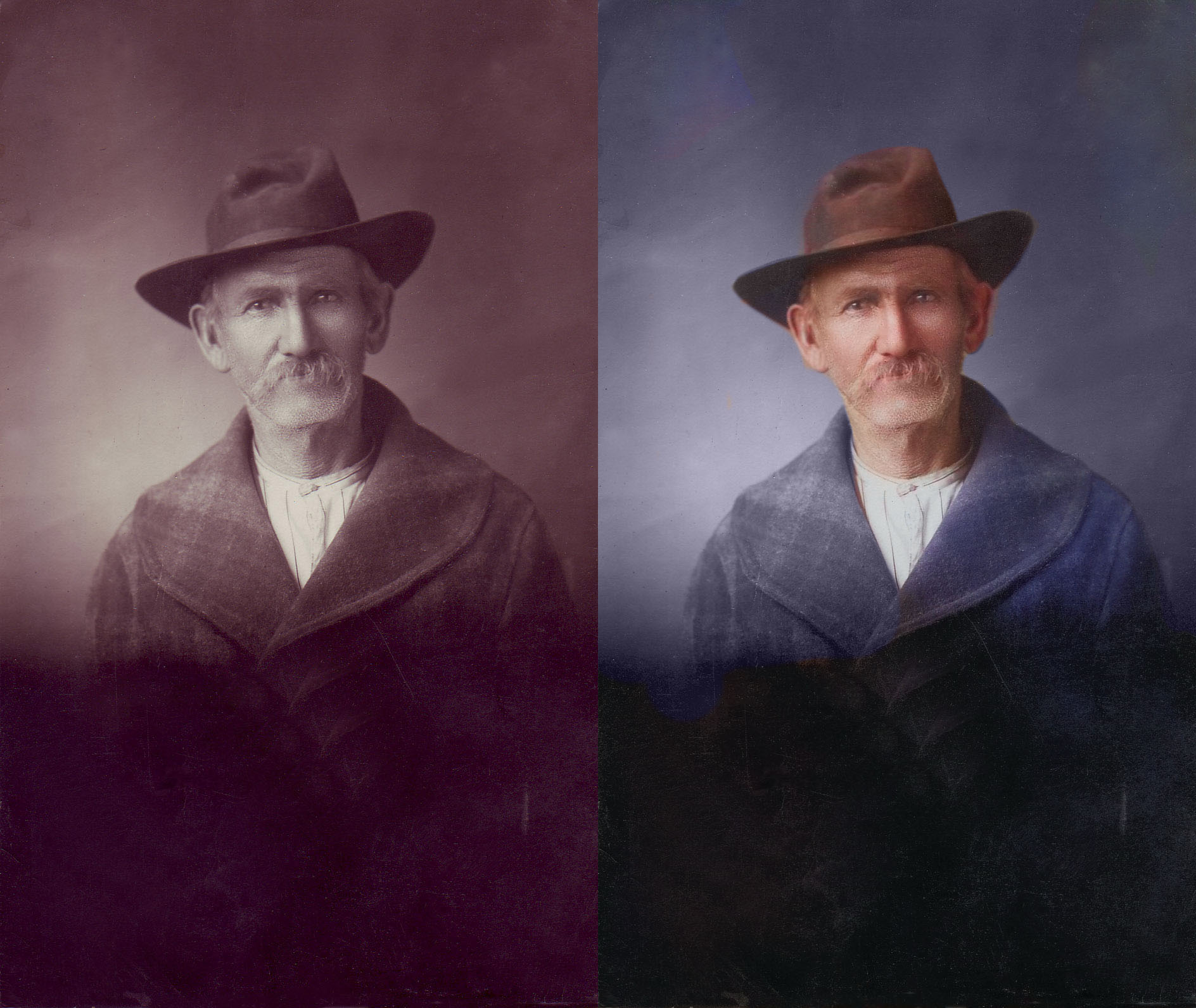
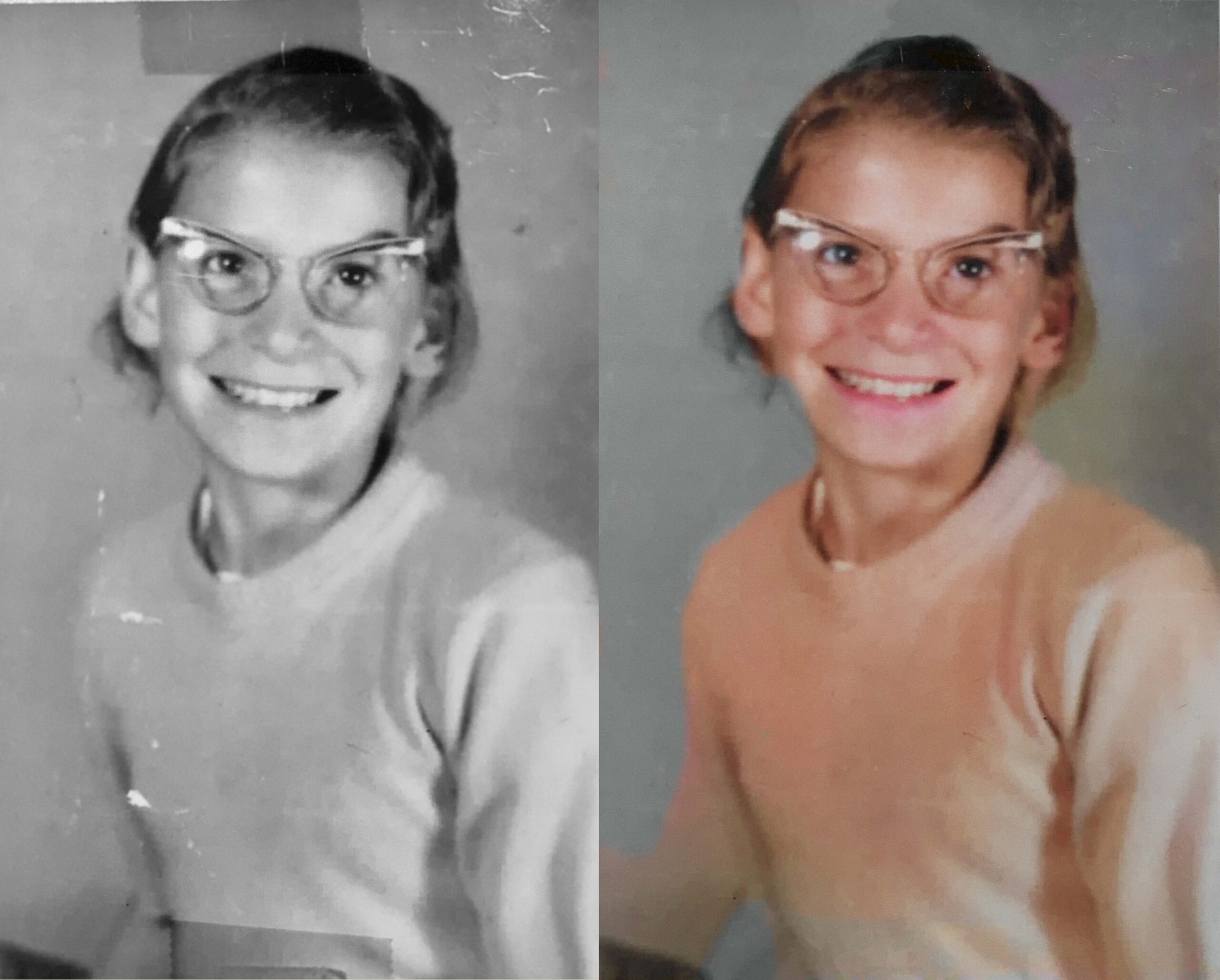
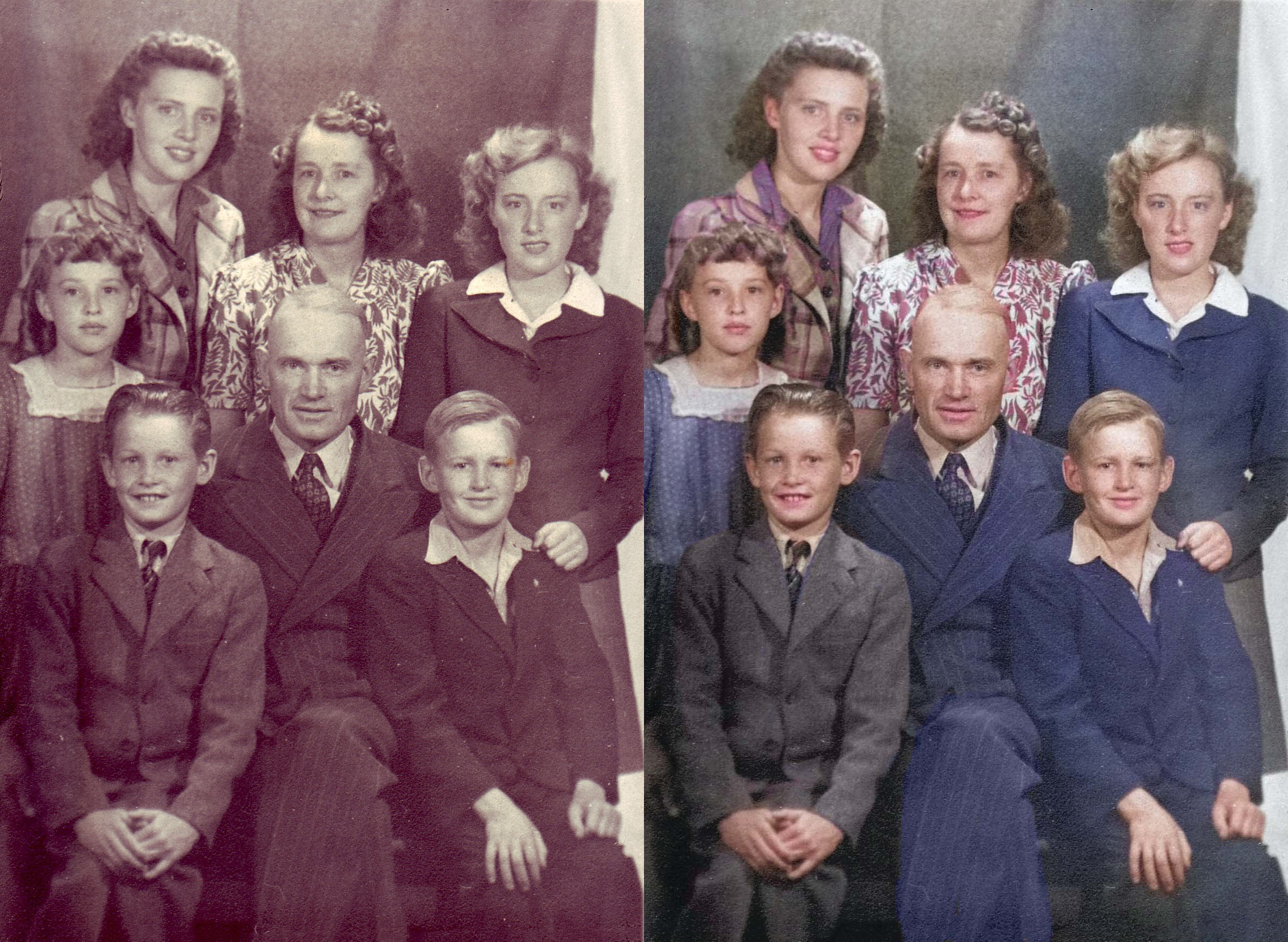
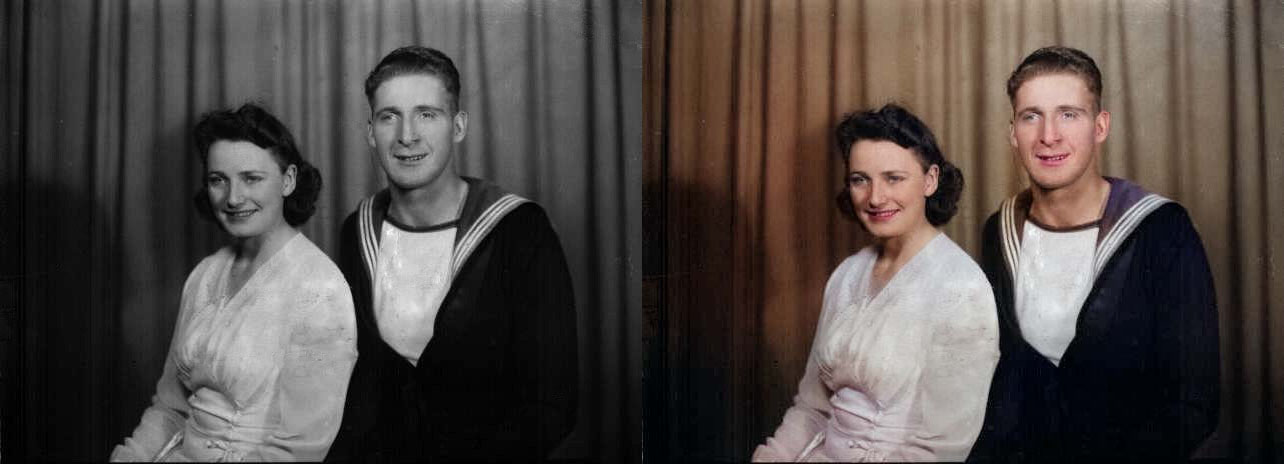
I’ll save the rest for another day.
2021 Playlist

Below is the collection of music Andrea and I (but mostly she) put together as our “go to songs” for 2021. Enjoy.
You can listen on Youtube if Apple Music is not your thing. Here is the 2021 playlist in .csv format.
Previously: 2020 playlist.
One Second Everyday 2021
Having a three year old and a two year old brings its share of ups and downs but the ups are super fun. We didn’t travel a whole lot however we found fun things to do here in Lethbridge and on the occasional trip to see the grandparents.
Here’s a look at one second of each of my days during 2021.