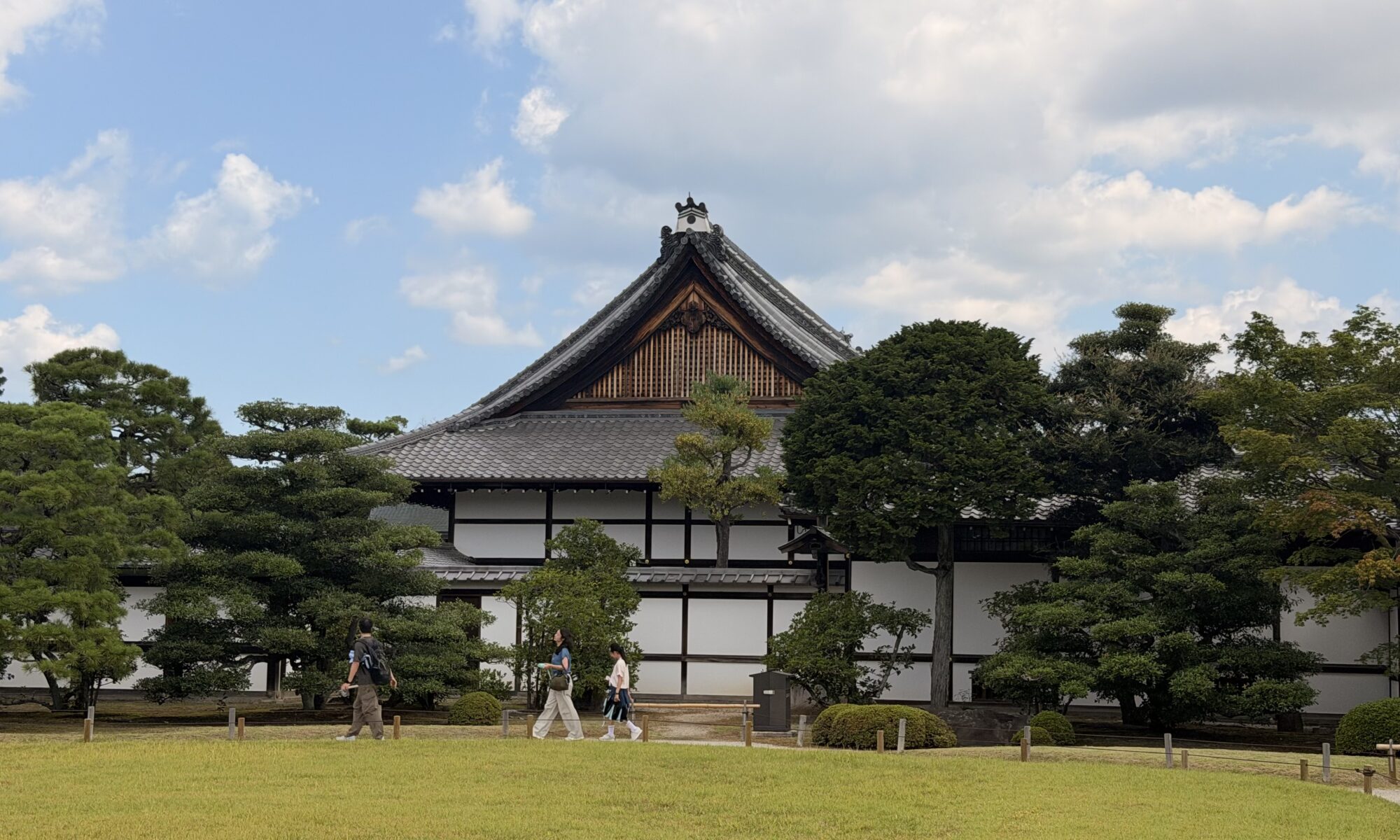
Dave and I went for an early Saturday morning walk. Afterward, we went back to the hotel to meet with Dave’s family and then to the konbini (convenience store) for breakfast. Though still early in the day, it was already getting quite hot, so I quite enjoyed the frozen mango slices I picked up there.
We squeezed our way onto a bus and headed over to Nijo Castle.
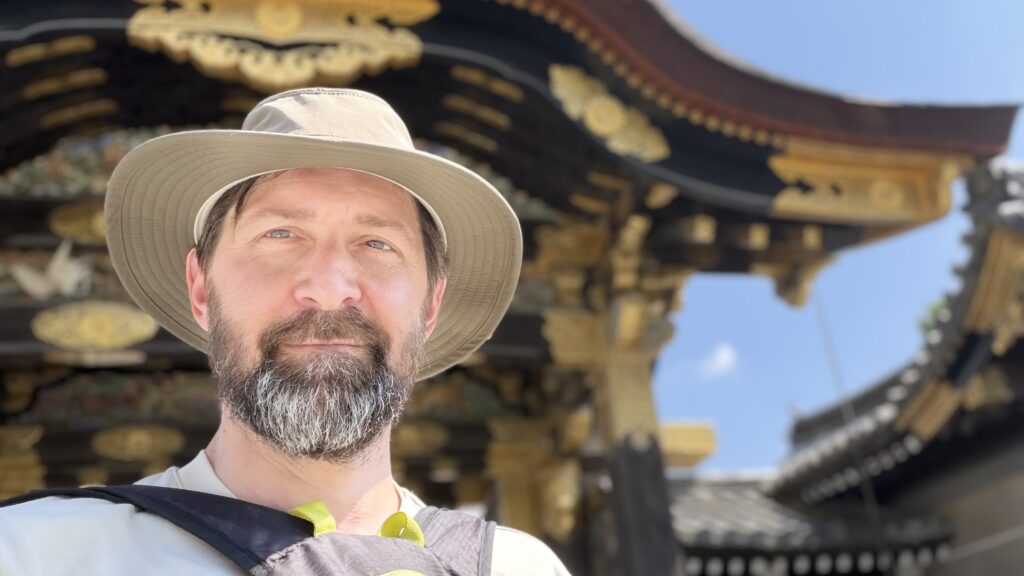
A bit of history about this world heritage UNESCO site from Wikipedia:
In 1601, Tokugawa Ieyasu, the founder of the Tokugawa shogunate, ordered all the feudal lords in western Japan to contribute to the construction of Nijo Castle, which was completed during the reign of his grandson Tokugawa Iemitsu in 1626. While the castle was being built, a portion of land from the partially abandoned Shinsenen Garden (originally part of the imperial palace and located south) was absorbed, and its abundant water was used in the castle gardens and ponds.[1] Parts of Fushimi Castle, such as the main tower and the karamon, were moved here in 1625–26.[2] Nijo Castle was built as the Kyoto residence of the Tokugawa shoguns. The Tokugawa shogunate used Edo as the capital city, but Kyoto continued to be the home of the Imperial Court. Kyoto Imperial Palace is located north-east of Nijo Castle.
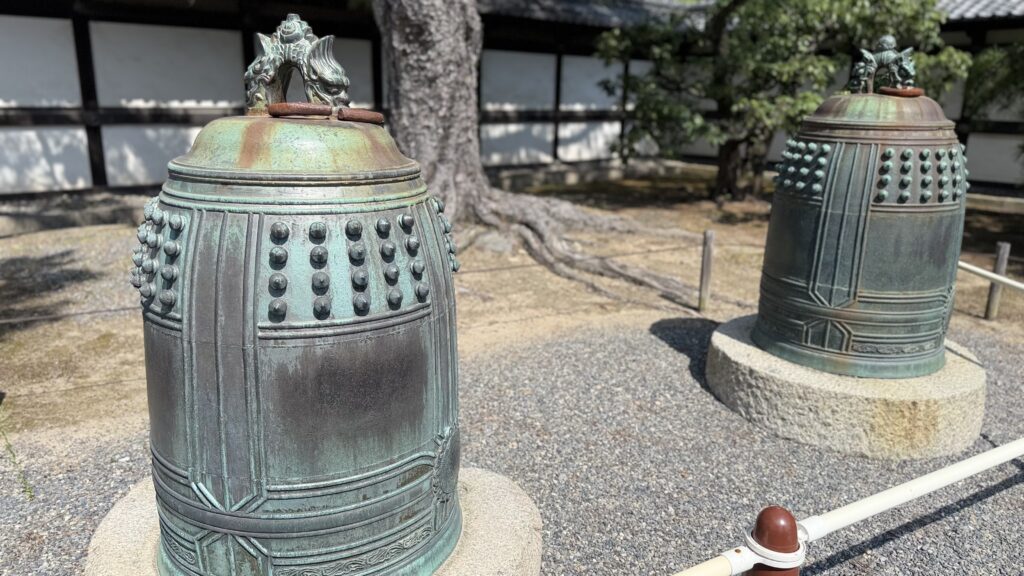
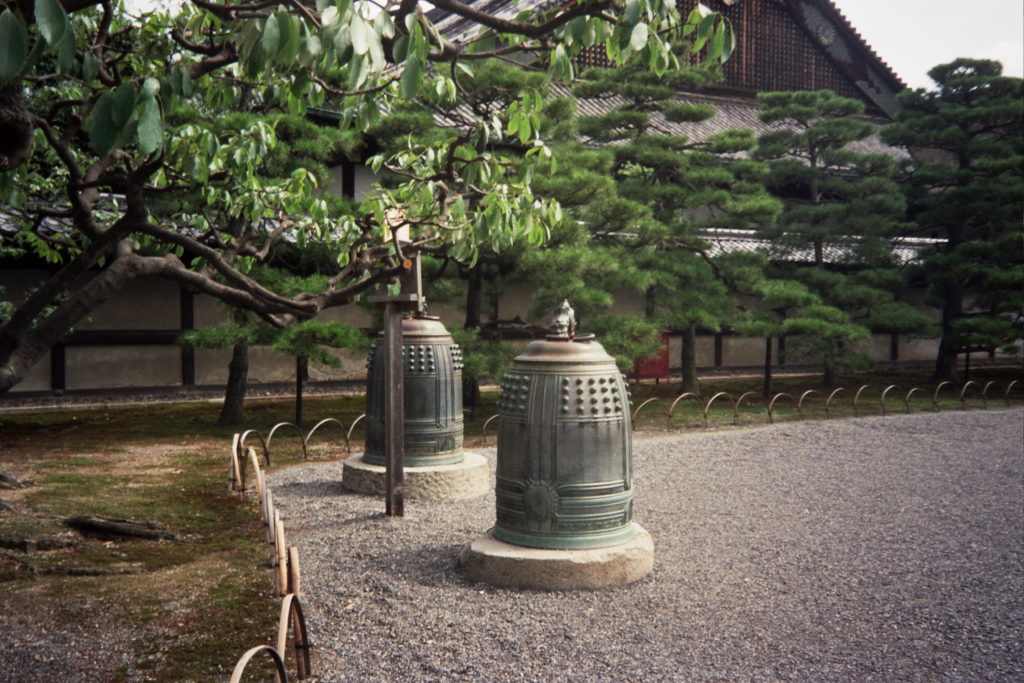
I remembered these bells from my last visit — back then, the castle and grounds just seemed neat; this time, with a better grasp of the shogunate and Japanese history, I felt a thrill thinking about the work that went into creating this place and its history. Even something as mundane as these bells was much more gripping.
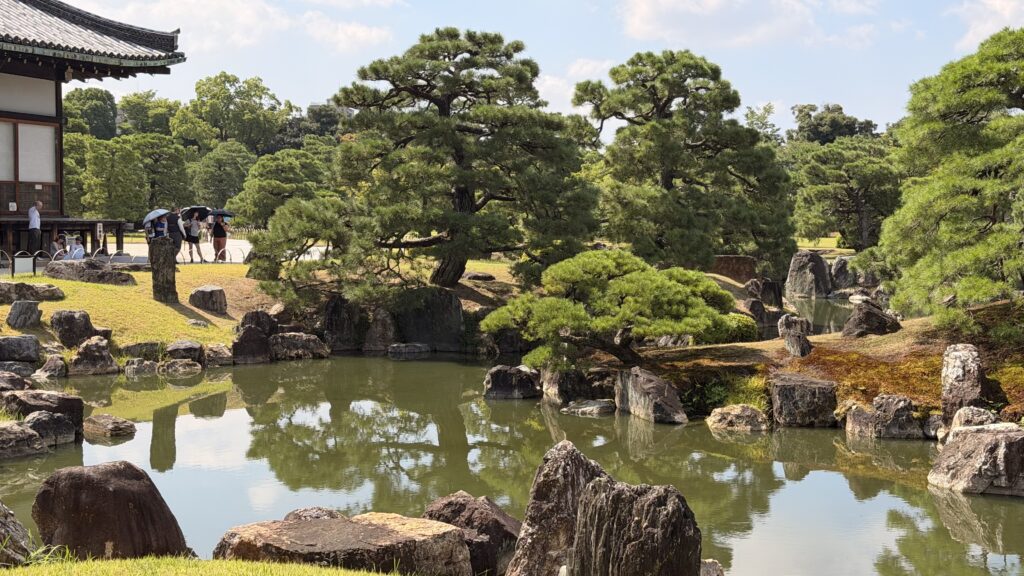
The rocks in the Seiryu-en Garden were collected from all over Japan and given as gifts to the castle by wealthy merchants during the Edo period.
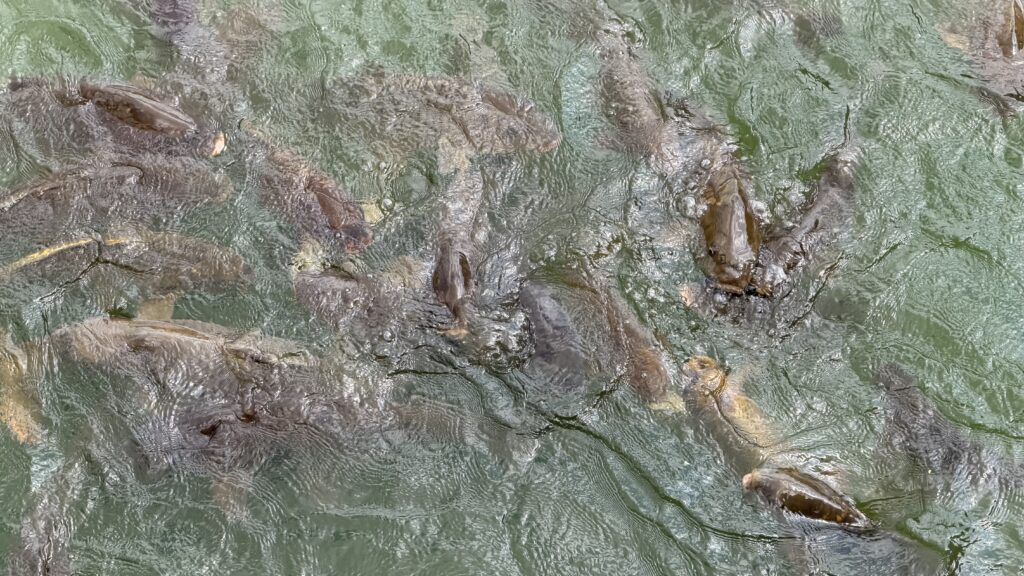
Dave and April bought some fish food from a vending machine and enjoyed bringing all the carp into a mild feeding frenzy below.
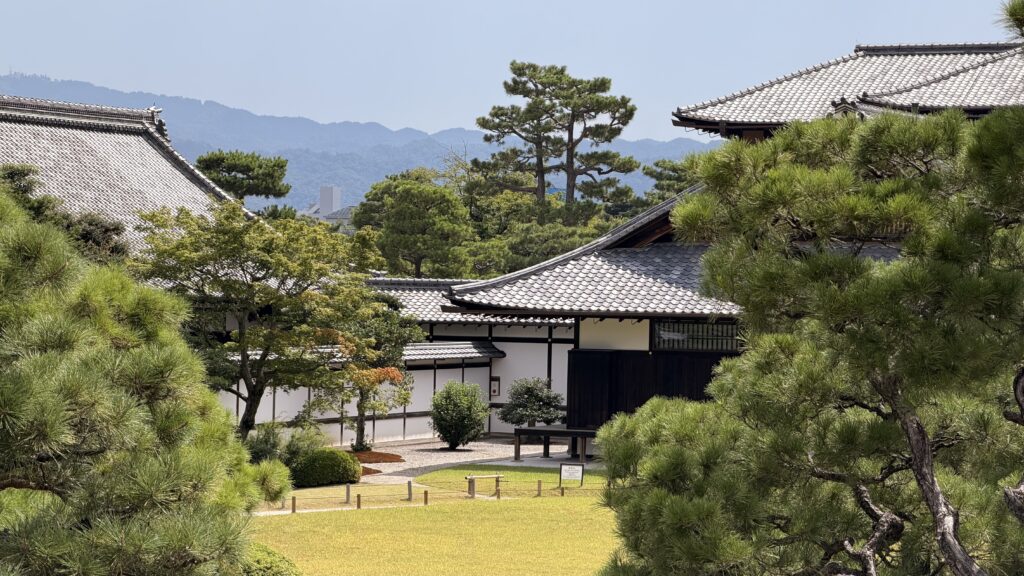
As we were touring the castle, I relearned that the nightingale floors weren’t actually designed to warn of ninja attacks — despite what plenty of tv shows and books will tell you, the official signage at the castle explains the chirping was simply a byproduct of structural shifting, wear, and friction on old nails and clamps over time. I’ll probably need to relearn this again the next time I visit, in another 30 years.
Next, we headed to the underground mall for a quick lunch. We needed to hurry to be on time for our 2:00 appointment at teamLab.
We found a ramen noodle place, but the line looked too long. While we stood there deciding what to do, an elderly Japanese man collapsed. A few people rushed to help, but none of them looked confident. I moved in and asked if he had a pulse, miming the question by pressing my fingers to my carotid artery. No one understood.
I was feeling very apprehensive because I was taught in first-aid classes that in some countries you can get yourself into trouble offering first-aid if you make a mistake and the person is disabled or dies because of it. Nevertheless, I wanted to help.
We could see that he was still breathing, but he was really struggling and starting to go purple. By now, bystanders were on the phone — presumably with emergency services — raising his legs, clearly following a dispatcher’s instructions. I knew he’d need an AED. Explaining that to a nearby security officer wasn’t easy. Dave, meanwhile, was searching for a doctor, trying to find someone in the crowded area who could help.
I was still fumbling with my translator app when someone came running with an AED. Relief. They hooked him up fast.
The AED’s recorded voice told everyone to stand back. Then the shock hit — his muscles seized, and he jolted off the ground. A bystander started chest compressions. We stepped back. We didn’t want to be people who just stood there and watched.
We were able to give directions to the incoming paramedics and police as we knew just where to guide them. A few minutes later we saw the paramedics had wrapped him in some carrying straps and carried him out of the mall. He was hooked up to a monitor, and we could see his heart was still beating.
We ended up getting some sweet buns for lunch and then headed over to teamLab for the afternoon. We stopped at a nearby 7-Eleven for a quick snack to finish off lunch. I wolfed down a couple of ice cream bars1 as a direct response to that afternoon’s events. The whole ordeal had affected me deeply.
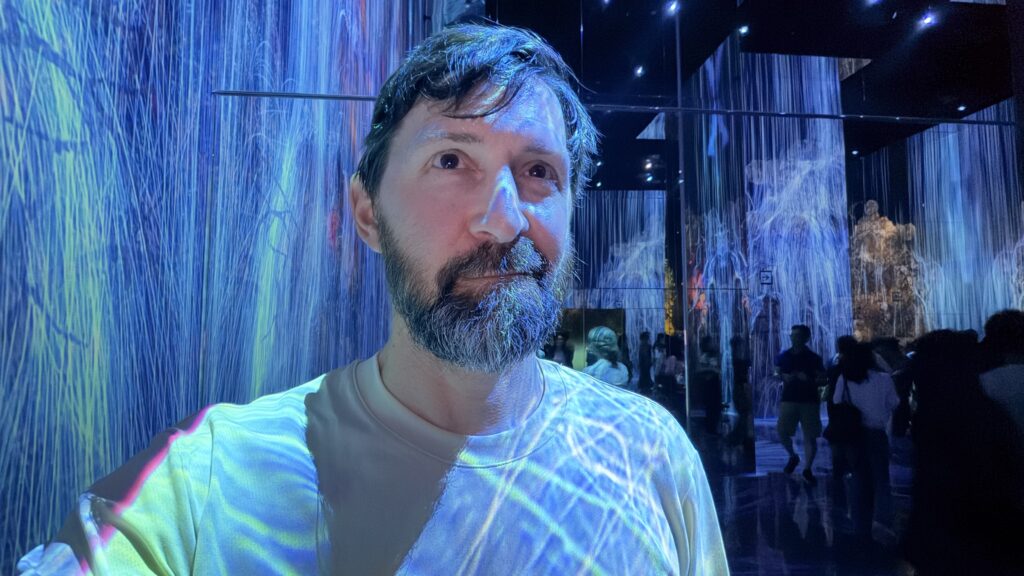
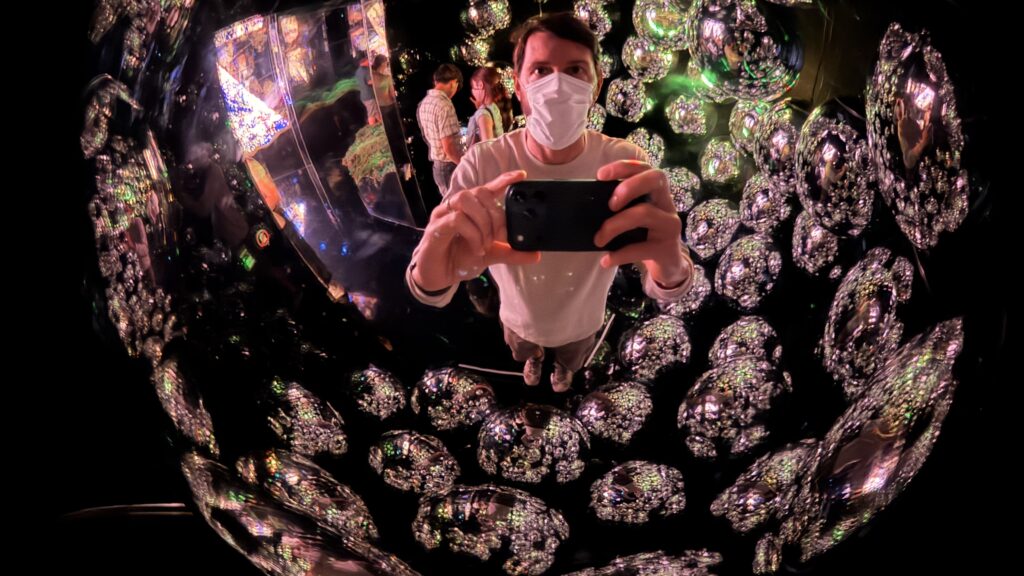
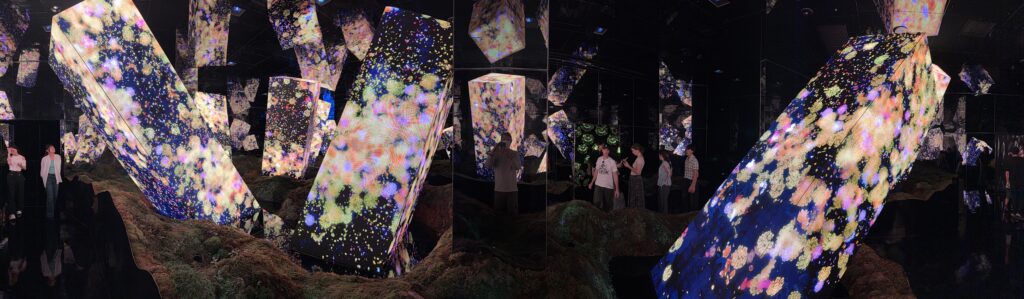
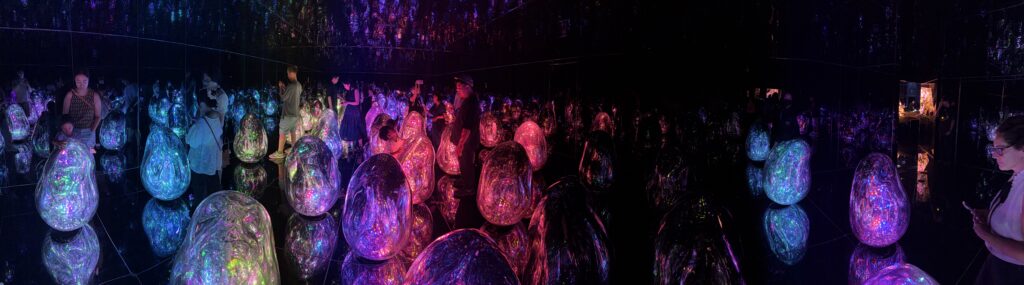
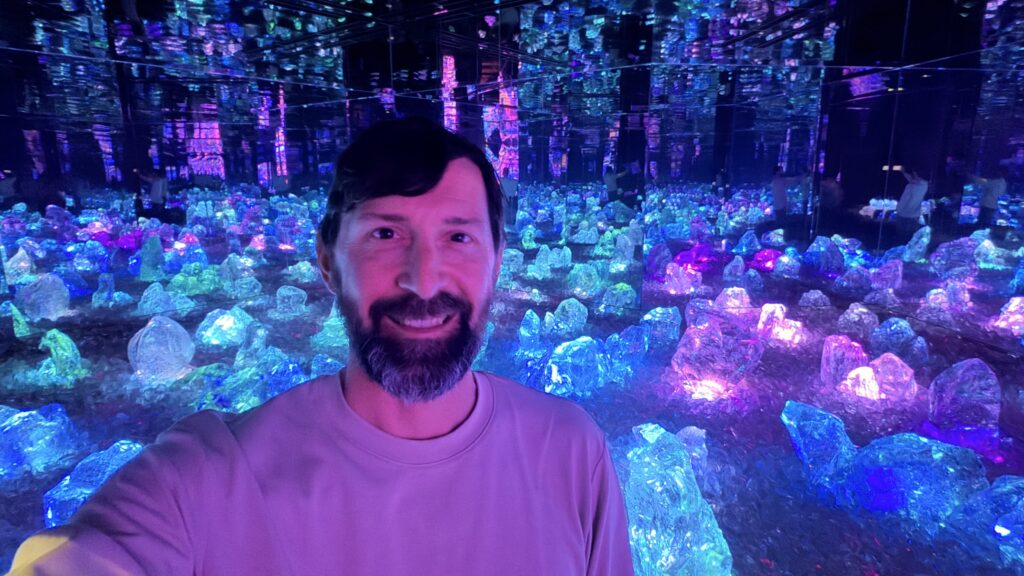
I tried putting it out of my mind as we experienced teamLab Kyoto.
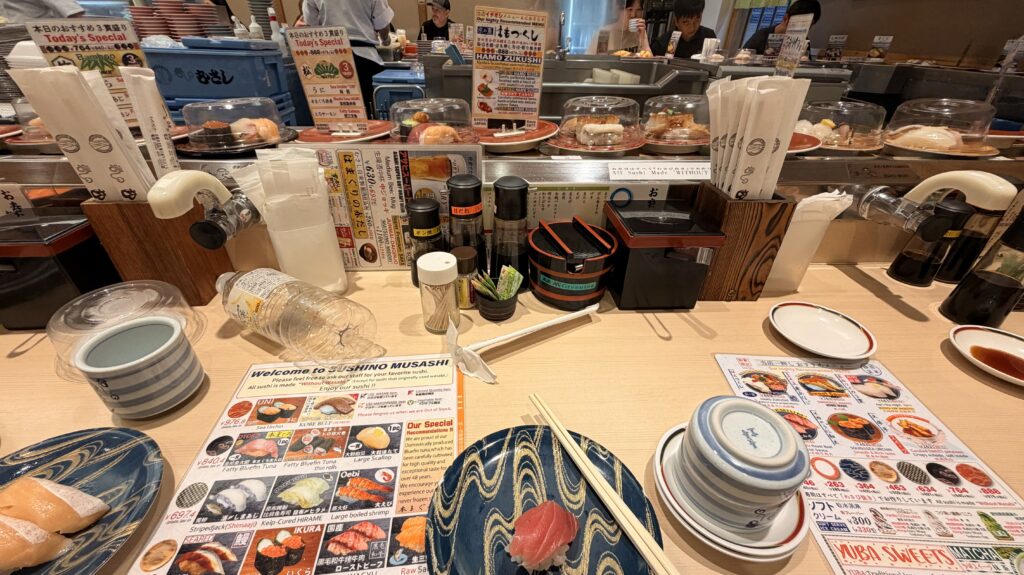
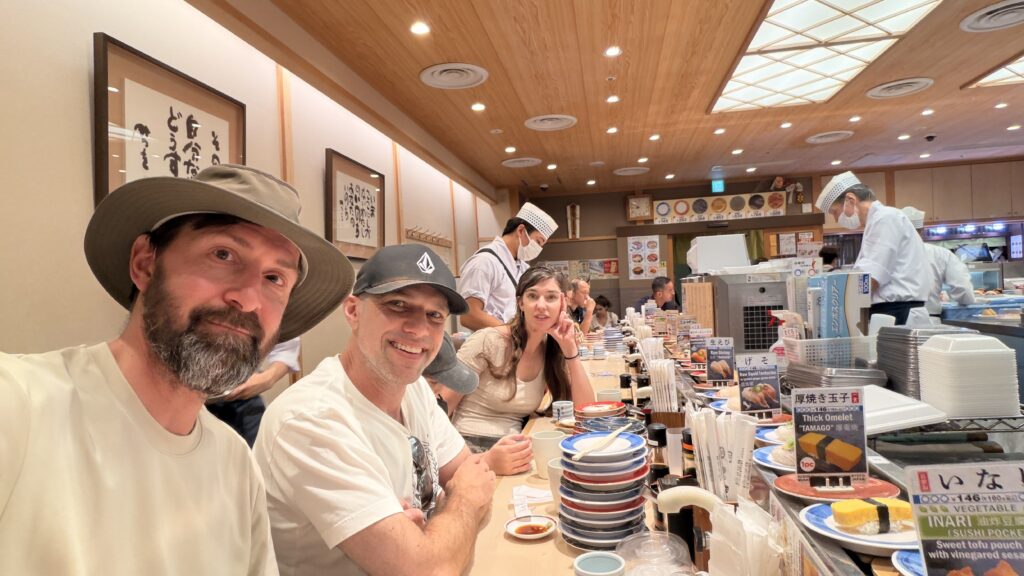
We finished off our day at a conveyor belt sushi restaurant. After the mental and physical toll of the day, we appreciated how great the food was.
It is good to be alive.
- One real Choco Monaka Jumbo and one imitation — accept no imitation[↩]